

During shelter-in-place guidance, it’s important to focus on children’s well-being during unsettling times.
For parents and caregivers, it’s pivotal to ensure their physical safety and emotional well-being are cared for throughout.
Children often react to situations by observing adult reactions, making a calm parental presence the most effective tool.
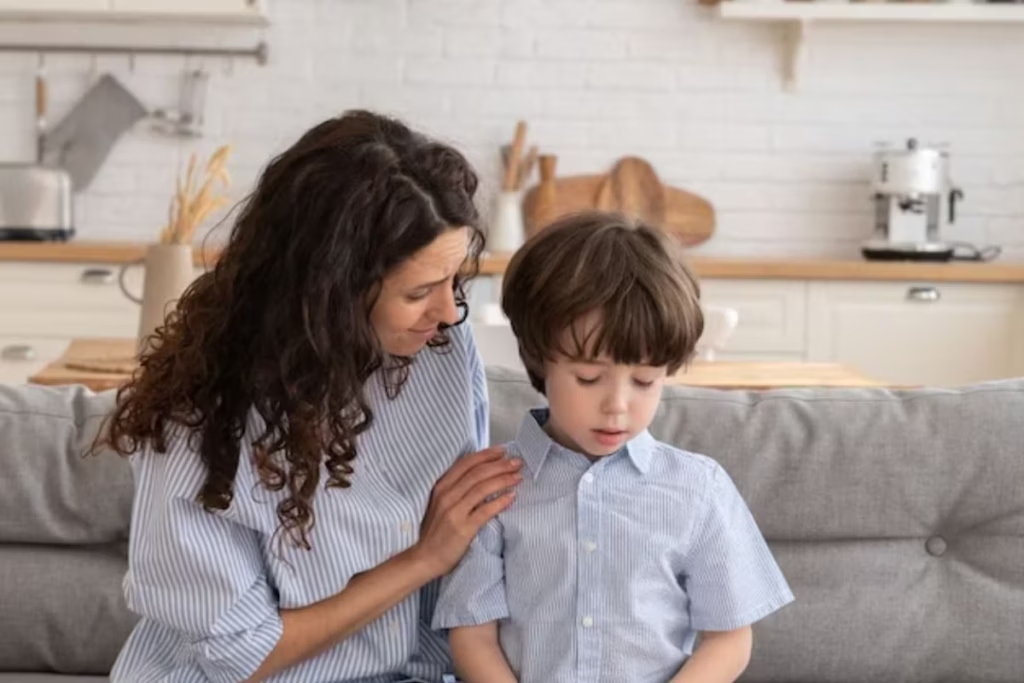
Communication & Reassurance
Communication and reassurance during these times are key to creating a composed environment.
Here are some ways to create calm surroundings when communicating, starting with co-regulation.
- Stay close
- Speak slowly
- Slow your breathing
- Lower your voice when communicating
When offering reassurance, it’s important to offer physical connection, helping their minds and bodies release stress.
Here are some ways to offer reassurance through physical connection.
- Wrap them in a blanket
- Place your hands firmly on their shoulders for 10 seconds
- Give them a pillow to hug firmly
- Hug them tightly (if welcomed by the child)
Structure & Normality
Having structure and normality is what children, and especially younger children, require. It’s important when unprecedented times arise that general day-to-day patterns are in place.
Here are some ways to offer reassurance as you keep days consistent with structure and normality.
- Maintain Routines
- Give them in-home activities (assign roles)
- Stay connected to friends and family through phone calls and video calls
Breathing & Stress Relief Exercises
Managing stress for both adults and children is another important practice. Breathing exercises and physical movement can help this and can be done by both adults and children.
Here are some day-to-day breathing exercises and anti-stress exercises that can help relax the mind and body.
- Repeat breathing five times (Inhale slowly through the nose and long, slow exhale). For children ”smell the flower……blow out the candle”
- Diaphragmatic breathing (Place one hand on the chest and one on the belly; breathe in through the nose, making the belly rise while keeping the chest still)
- Push the wall (hands flat on the wall, push hard for ten seconds, relax, repeat three times)
What Not To Do
It’s important to remember that children are usually unaware of the full circumstances. If they keep asking the same question and are curious about what is happening, parents and caregivers should respond each time calmly.
Here are some things to avoid that can inadvertently increase their stress.
- Do not overpromise
- Do not use “don’t” commands exclusively
- Do not maintain total silence
- Do not allow continuous exposure to news or social media
While your home provides the physical protection, your steady presence creates the emotional security they require to remain resilient.
By maintaining a sense of routine and allowing them space to process their feelings, you are doing more than just sheltering.
For parents, caregivers, and adolescents looking to join a supportive space to discuss any fears or anxiety they are feeling, the Wellness Hub is offering free sessions to share and connect. For further details and registration, please visit Circle of Connection.
Follow Secret Abu Dhabi for more news and updates in the capital.