

Abu Dhabi’s cultural identity is not always immediately obvious. It does not rely on spectacle or constant reinvention.
Instead, it reveals itself through traditions that repeat each year and neighbourhood rituals that continue regardless of who is watching. To understand the capital beyond its modern skyline, you have to know where to look in the city.
Community Festivals Rooted in Heritage
Many of Abu Dhabi’s most meaningful festivals are built around continuity rather than performance. Al Hosn Festival remains one of the strongest examples, drawing families back to Qasr Al Hosn annually for craft demonstrations, traditional games, poetry, and music rooted in pre-oil life.
It is less about observation and more about participation, with elders and children sharing space and stories.
Sheikh Zayed Festival offers a broader view of Emirati heritage, bringing together regional traditions, agricultural practices, food, and folklore.
Seasonal celebrations centred on dates and farming also play an important role, particularly in areas such as Al Ain, where harvest cycles remain closely tied to cultural identity.
Events like the Liwa Date Festival highlight the significance of food, land, and self-sufficiency, values that still shape Emirati life today.
Other recurring cultural events, including the Mother of the Nation Festival (MOTN), further reinforce how festivals in Abu Dhabi blend social life and tradition.
Historic Sites That Frame Abu Dhabi’s Story
Qasr Al Hosn remains the most important reference point for understanding Abu Dhabi’s origins. Once a watchtower and later a seat of governance, it tells the story of how the city grew from a coastal settlement into a capital without disconnecting from its past.
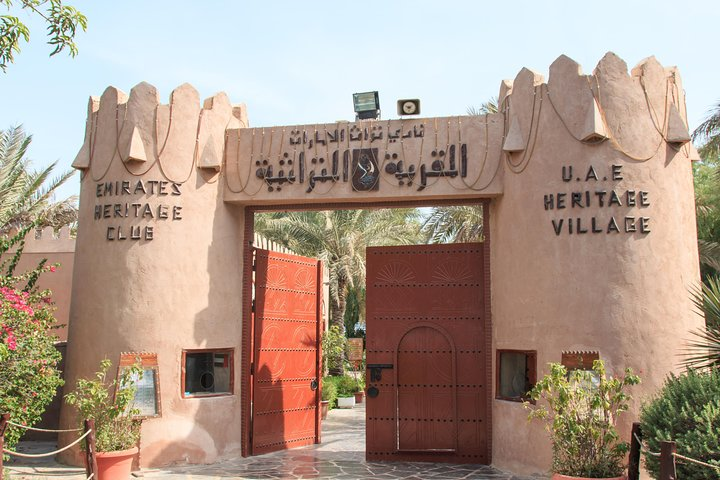
Heritage Village, located near Marina Mall, adds context by illustrating how fishing, pearl diving, and desert life shaped family structures and livelihoods in Abu Dhabi.
Other historic areas, such as Al Bateen and parts of the Corniche, also reflect earlier patterns of settlement, where proximity to the sea influenced daily life long before high-rise development took over the skyline.
Arabic Coffee and the Social Role of the Majlis
Arabic coffee remains one of the most enduring symbols of Emirati hospitality. Known fondly as “Qahwa” or “Gahwa” in Arabic, it’s a cherished tradition that reflects the very essence of Arabian hospitality. It is served slowly, deliberately, and with meaning, signalling welcome and respect.
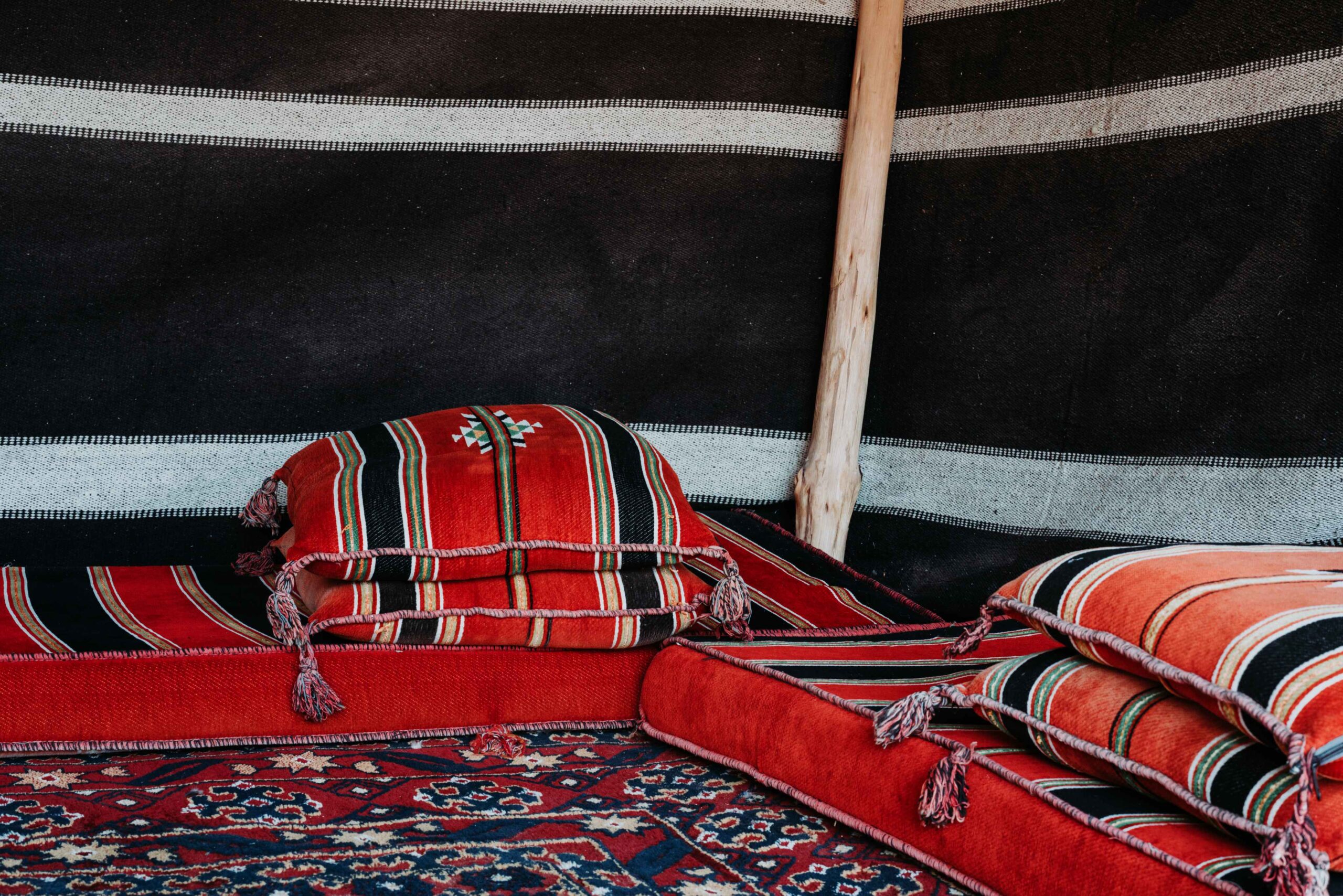
This ritual is inseparable from the majlis, a traditional gathering space where Emiratis meet to exchange news, discuss community matters, and welcome guests.
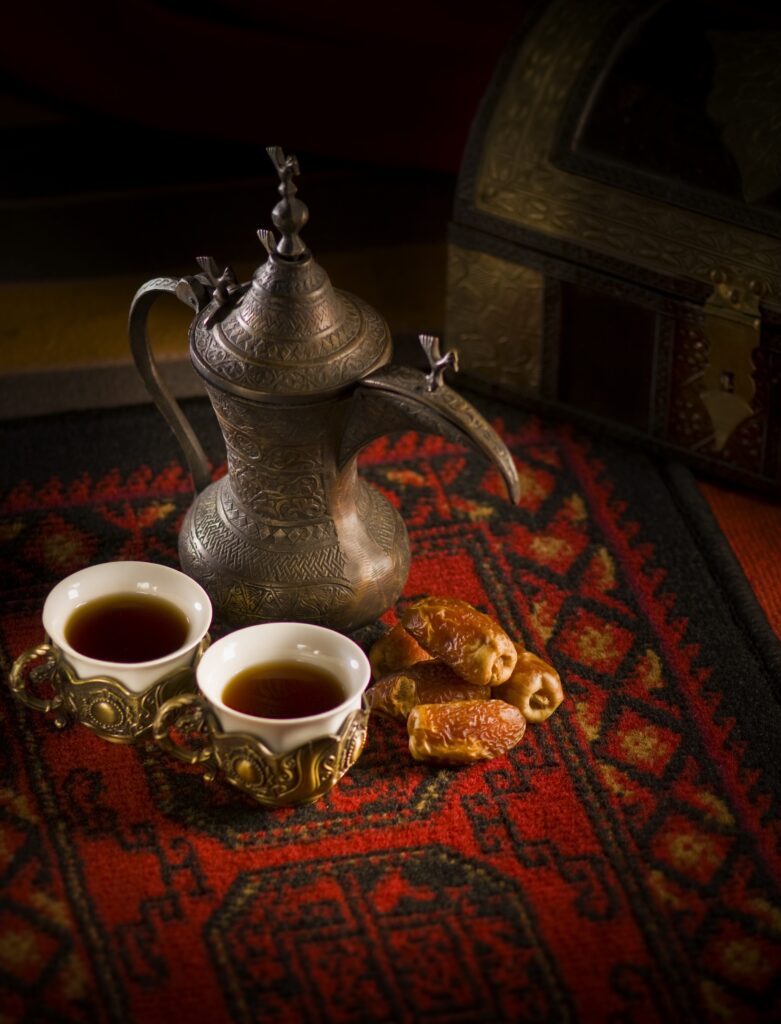
While formal majlis spaces still exist, their spirit extends into everyday life. In older neighbourhoods such as Al Markaziya and Al Zahiyah, informal coffee spots and small cafés function as modern gathering places.
Older Neighbourhoods and Their Stories
Exploring downtown Abu Dhabi on foot reveals layers that are easy to miss from a car. Residential streets and older commercial buildings often feature murals and street art painted directly onto walls that blend into the city’s surroundings.
Some of the most striking artworks depict Emirati women in traditional dress, including the burqa, alongside symbols of heritage, memory, and identity.
Areas around Hamdan Street, Electra Street, and parts of the Tourist Club Area contain pieces that reward those who slow down and look closely, offering visual reminders that culture exists beyond designated spaces.
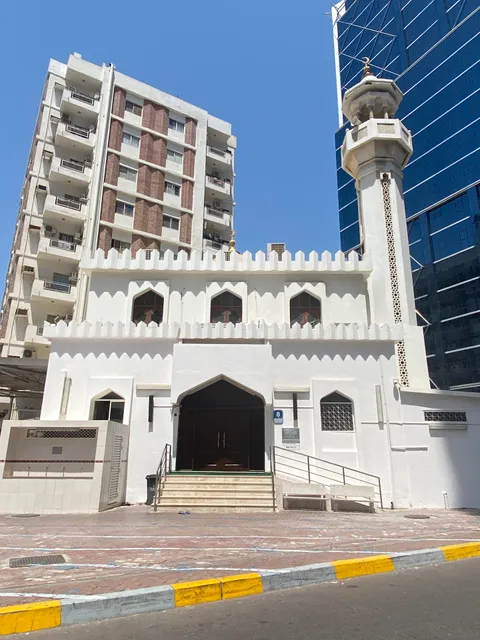
Neighbourhood mosques such as the Mosque of Sheikh Ahmed Gomaa Al Zoghabi and smaller prayer spaces in older districts stand as quiet witnesses to community rhythms. For many residents, these sites anchor daily routines and offer spiritual grounding within the urban fabric.
Everyday Emirati Cuisine
Authentic Emirati food is rarely loud or showy. Smaller restaurants, family-run kitchens, and home-style dining experiences across the city reflect how people actually eat.
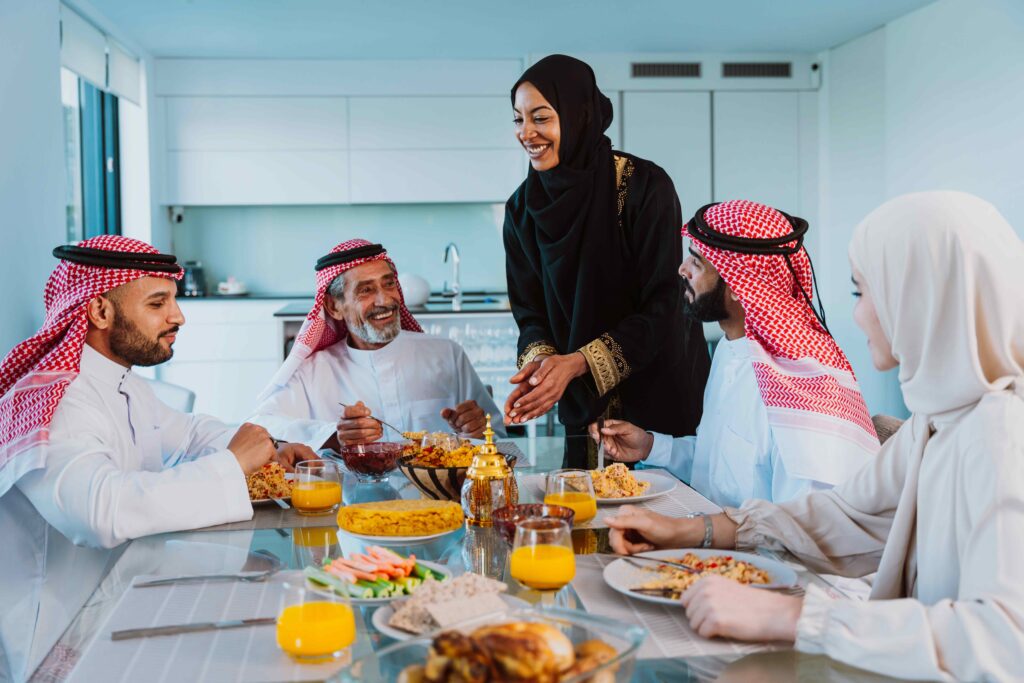
Staples include rice, wheat, dates, seafood, and slow-cooked meats such as lamb and chicken. Dishes like machboos, spiced rice served with meat or fish, reflect a cuisine built around sharing and seasonality.
Neighbourhood spots in areas like Al Mushrif and Khalidiya often serve food that prioritises flavour and familiarity over presentation. These meals reinforce the idea that cultural connection in Abu Dhabi is often found away from headline venues.
Abu Dhabi Beyond Attractions
Those who take the time to look beyond the obvious will find a city where heritage is Abu Dhabi’s culture and doesn’t need to be staged to be experienced.
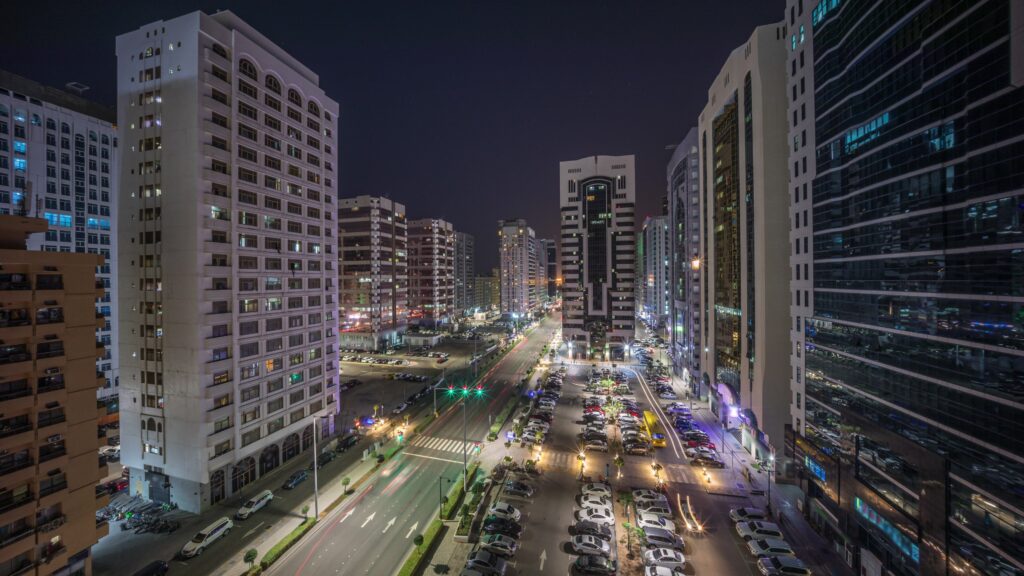
It lives in festivals attended by families, in shared coffee, in neighbourhood cafés, in quiet murals, and in food cooked the same way for generations. For visitors and residents alike, the city rewards those who look beyond the obvious.
Follow Secret Abu Dhabi for more news, events, and all the hottest updates in the capital and beyond.