

When most people think of the UAE, gleaming skylines, luxury resorts, and record-breaking attractions often spring to mind. But long before the country’s modern transformation, these landscapes were home to thriving communities, ingenious engineering, and some of the earliest traces of human life in the region.
Today, a collection of UNESCO (United Nations Educational, Scientific and Cultural Organisation) recognised sites tells that story, preserving everything from Bronze Age tombs and ancient irrigation systems to dramatic mountain valleys and prehistoric landscapes.
UNESCO is responsible for identifying places that hold exceptional cultural or natural importance to the world, with the UAE home to a growing collection of UNESCO-listed sites, each highlighting a different chapter in the nation’s history and natural environment.
If you’re a history enthusiast or simply looking to discover another side of the Emirates, these remarkable destinations reveal why the UAE’s heritage deserves global recognition.
Al Ain Oasis
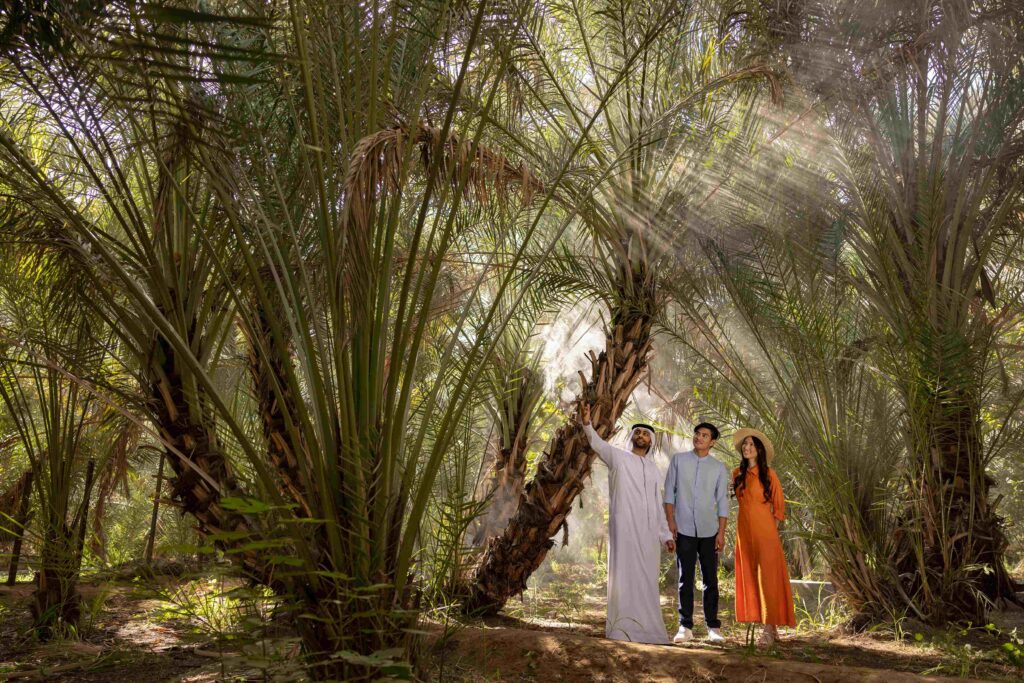
Hidden among the city streets of Al Ain is a peaceful oasis that has supported life for thousands of years. Shaded by thousands of date palms, the oasis demonstrates how early communities transformed the desert into fertile farmland through careful water management.
It remains one of the country’s finest examples of sustainable agriculture, with traditional irrigation methods still visible throughout the site.
Jebel Hafit Tombs
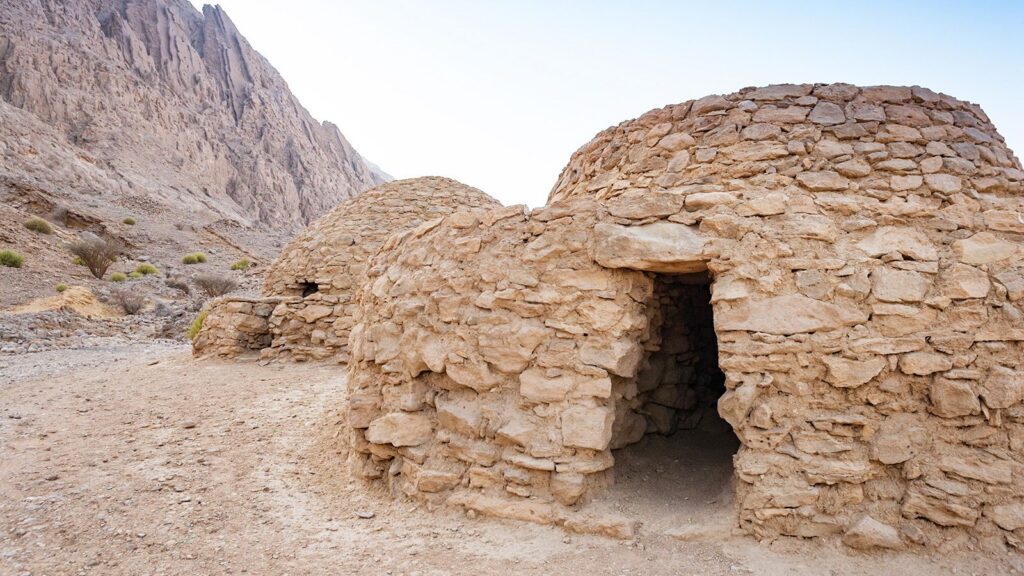
At the foot of Jebel Hafit mountain lies one of the UAE’s most significant archaeological discoveries. Hundreds of circular stone tombs dating back more than five millennia provide a fascinating glimpse into life during the Bronze Age.
Their construction and the artefacts uncovered within them have helped historians better understand early trade, burial customs, and settlement across southeastern Arabia, making them a significant part of the country’s cultural story.
Hili Archaeological Park
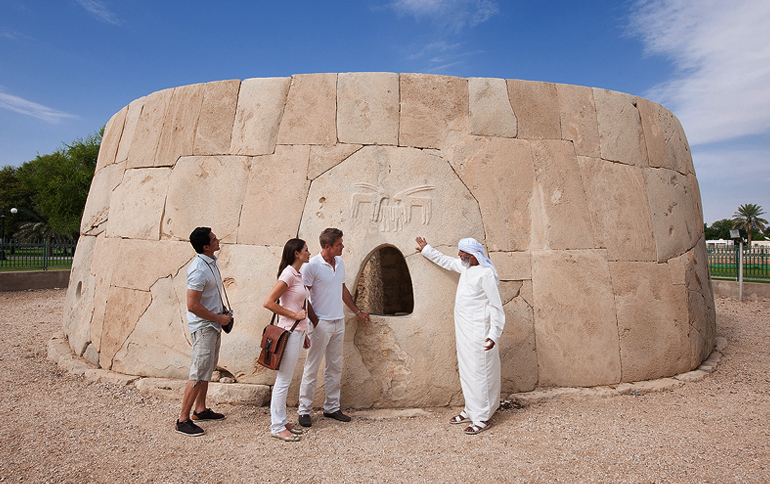
Offering a window into an advanced community that flourished thousands of years ago, Hili Archaeological Park allows visitors the chance to explore the remains of ancient homes and impressive burial structures that reveal the sophistication of early settlements.
This site also provides evidence of early farming techniques and water management, illustrating how innovation allowed communities to prosper in a parched climate.
Bidda Bint Saud
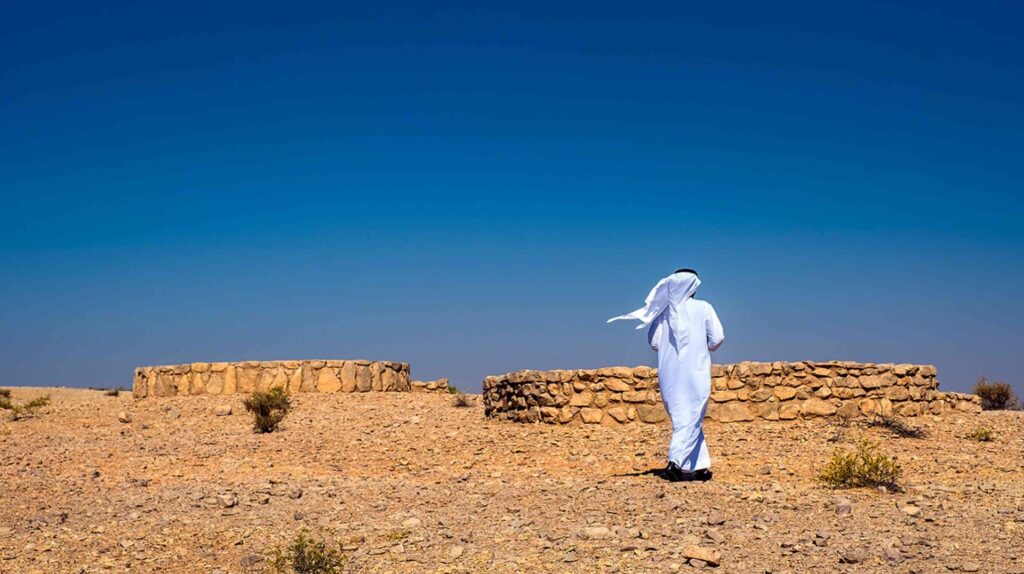
Less familiar than some of the UAE’s other heritage sites, Bidda Bint Saud nevertheless plays an important role in understanding the region’s Iron Age history.
Archaeological remains found here point to a community that relied on agriculture, livestock, and carefully managed water resources, with the discoveries painting a picture of a society that successfully adapted to the desert while maintaining links with neighbouring civilisations.
The Aflaj Network
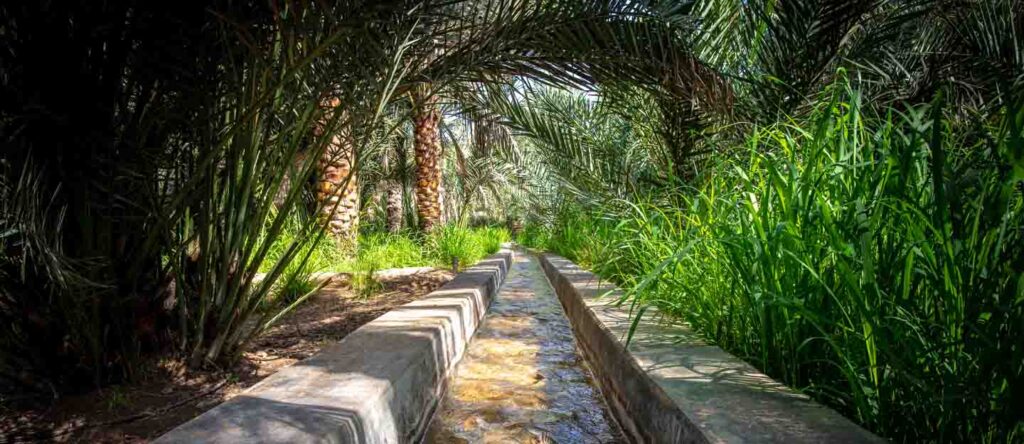
Long before modern infrastructure, the UAE relied on an ingenious system of underground and surface water channels known as the aflaj.
By directing groundwater towards farms and settlements using gravity alone, these channels made year-round agriculture possible in one of the world’s driest environments and remain one of the defining features of the Cultural Sites of Al Ain.
Faya Palaeolandscape
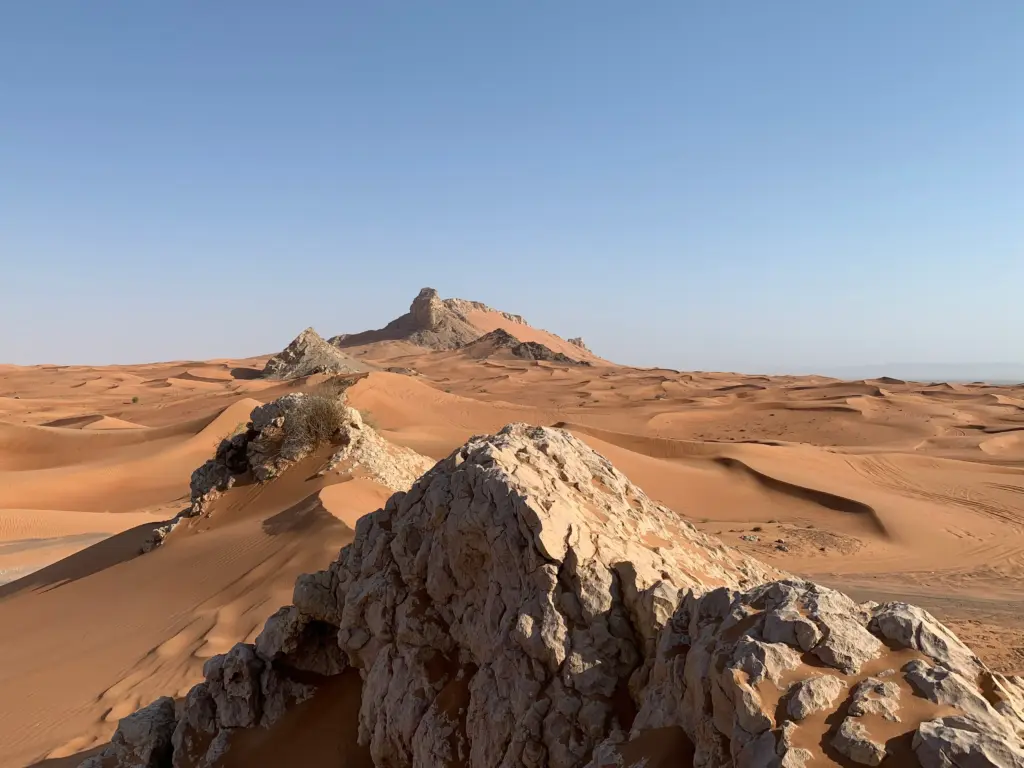
One of the UAE’s newest UNESCO World Heritage Sites, the Faya Palaeolandscape in Sharjah has transformed our understanding of human history in Arabia.
Archaeological evidence suggests that people repeatedly occupied this landscape over tens of thousands of years, adapting to changing climates and environments, providing valuable clues about some of humanity’s earliest migrations beyond Africa.
Wadi Wurayah
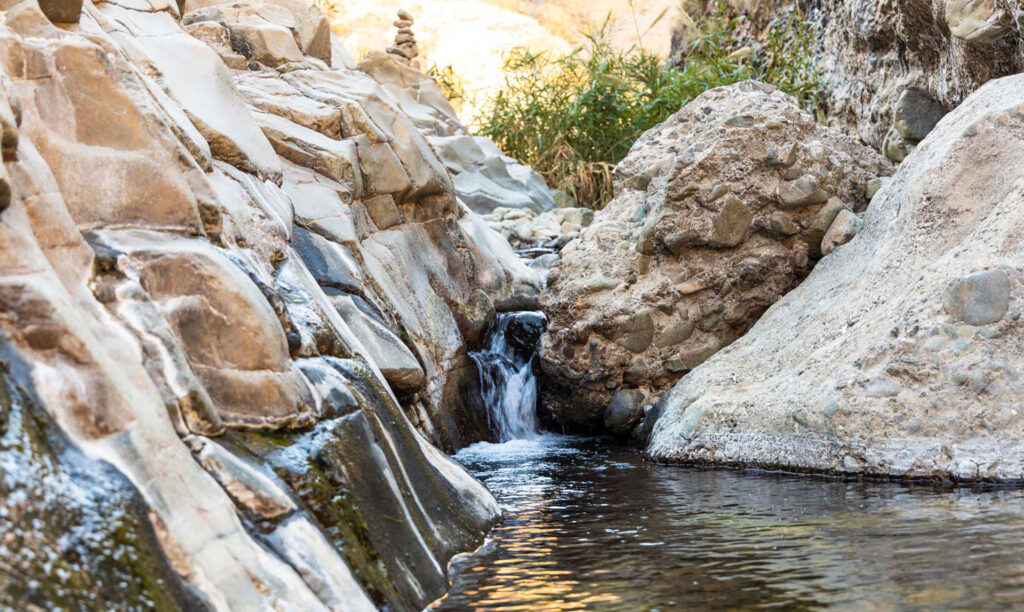
Situated between the towns of Masafi, Khor Fakkan, and Bidiyah, Wadi Wurayah offers a striking contrast to the desert landscapes many associate with the UAE.
Flowing freshwater pools, rugged cliffs, and diverse wildlife make it one of the country’s most important natural habitats and home to various rare plant and animal species.
The protected reserve became the UAE’s first natural UNESCO World Heritage Site, recognising both its ecological importance and its role in conserving the nation’s unique biodiversity.
Together, these seven UNESCO-recognised sites serve as a reminder that the UAE’s identity is built not only on innovation and ambition, but also on thousands of years of history, resilience and environmental stewardship.
If you’re planning your next road trip or wanting to explore a different side of the Emirates, these remarkable destinations deserve a place on every traveller’s itinerary.
Follow Secret Abu Dhabi for more news, events, and updates in the capital and beyond.